 |
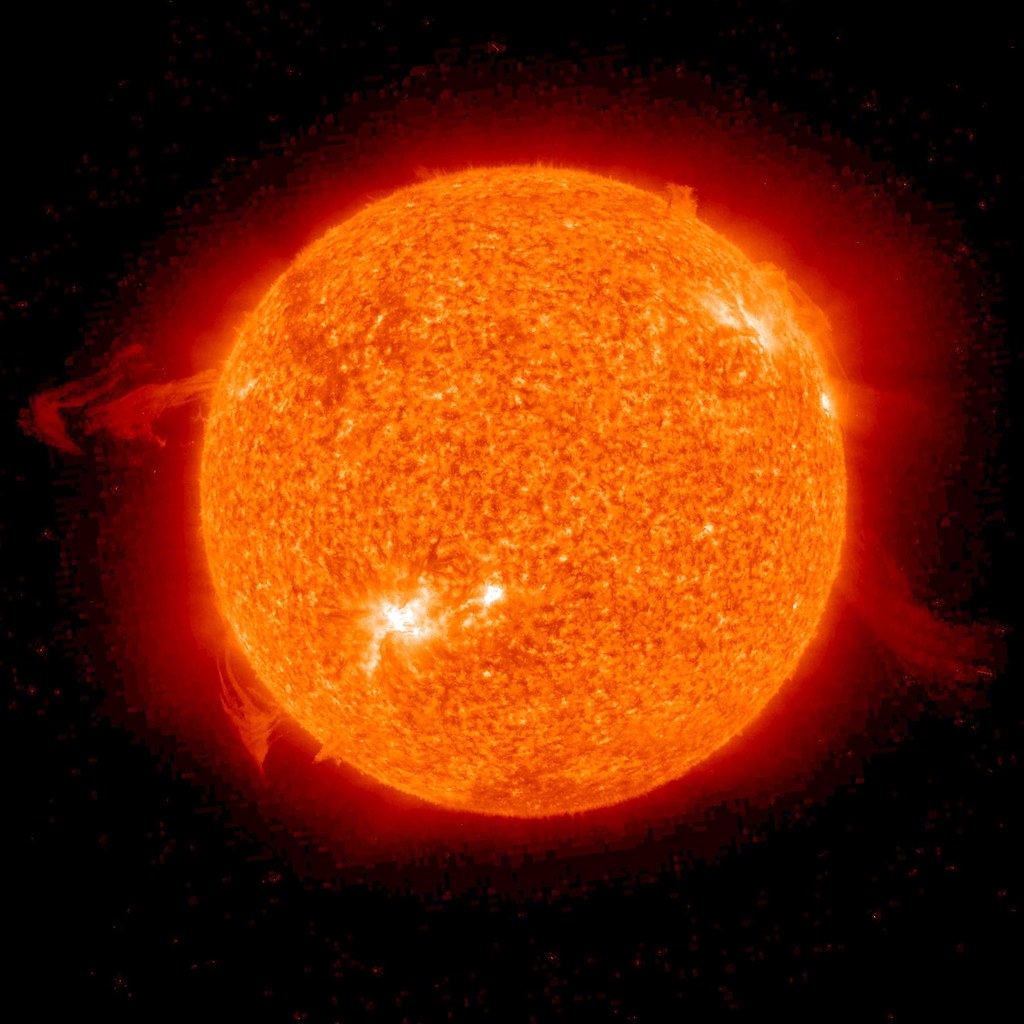
The Sun | The Sun is the star of our Solar System, it creates a natural light source during the day, and at night many other stars are visible. The Sun isn't the only star in the universe, there are billions of others just in our galaxy. Between 150 and 250 billion stars are in the Milky Way Galaxy alone. The sun is so large that all 8 planets in our Solar System feel its gravitational pull. |
|---|---|---|
| Mercury, named after the speedy Roman messenger god, has the shortest orbit around the sun, its the closest planet to the sun. The surface of Mercury looks similar to that of the Moon. Although Mercury becomes very hot due to its proximity to the sun, it also contains icy areas, the origin of which are still unknown. |
Mercury | 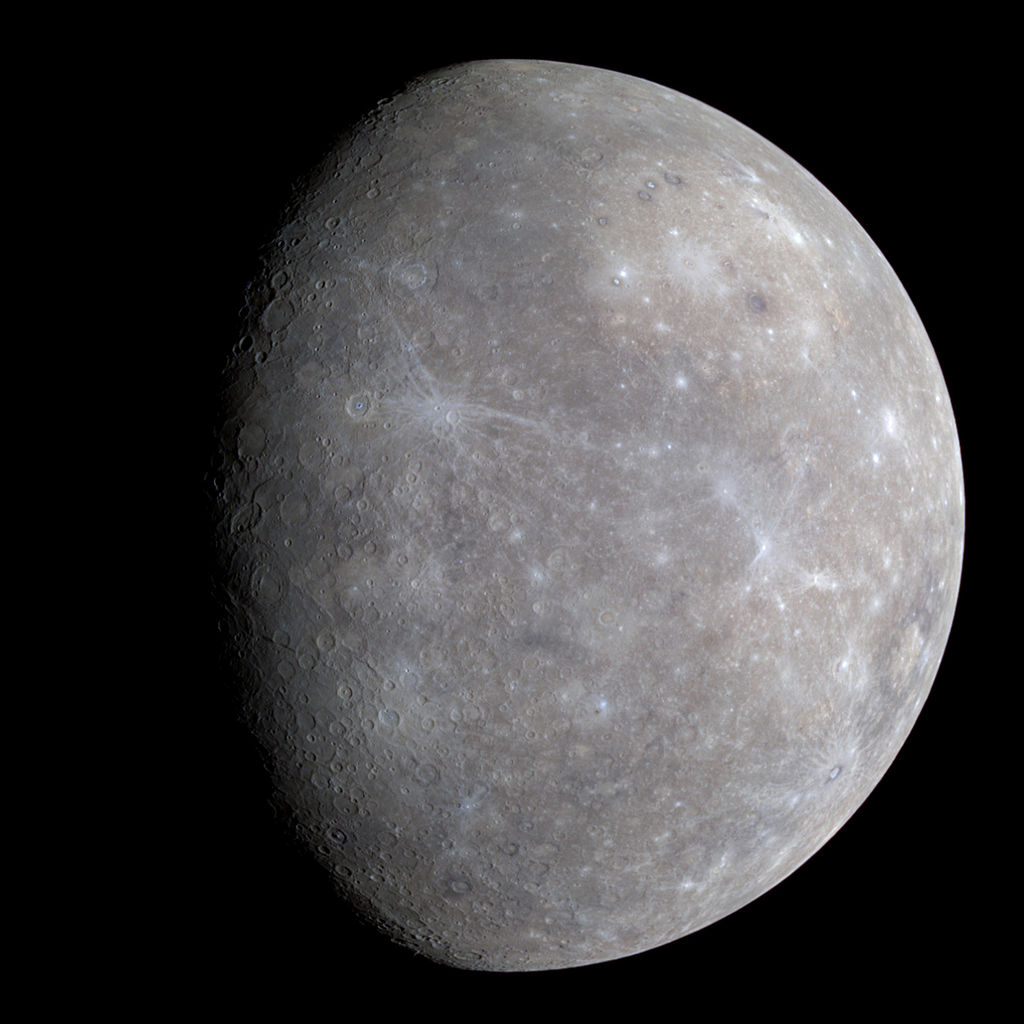 |
| Venus | 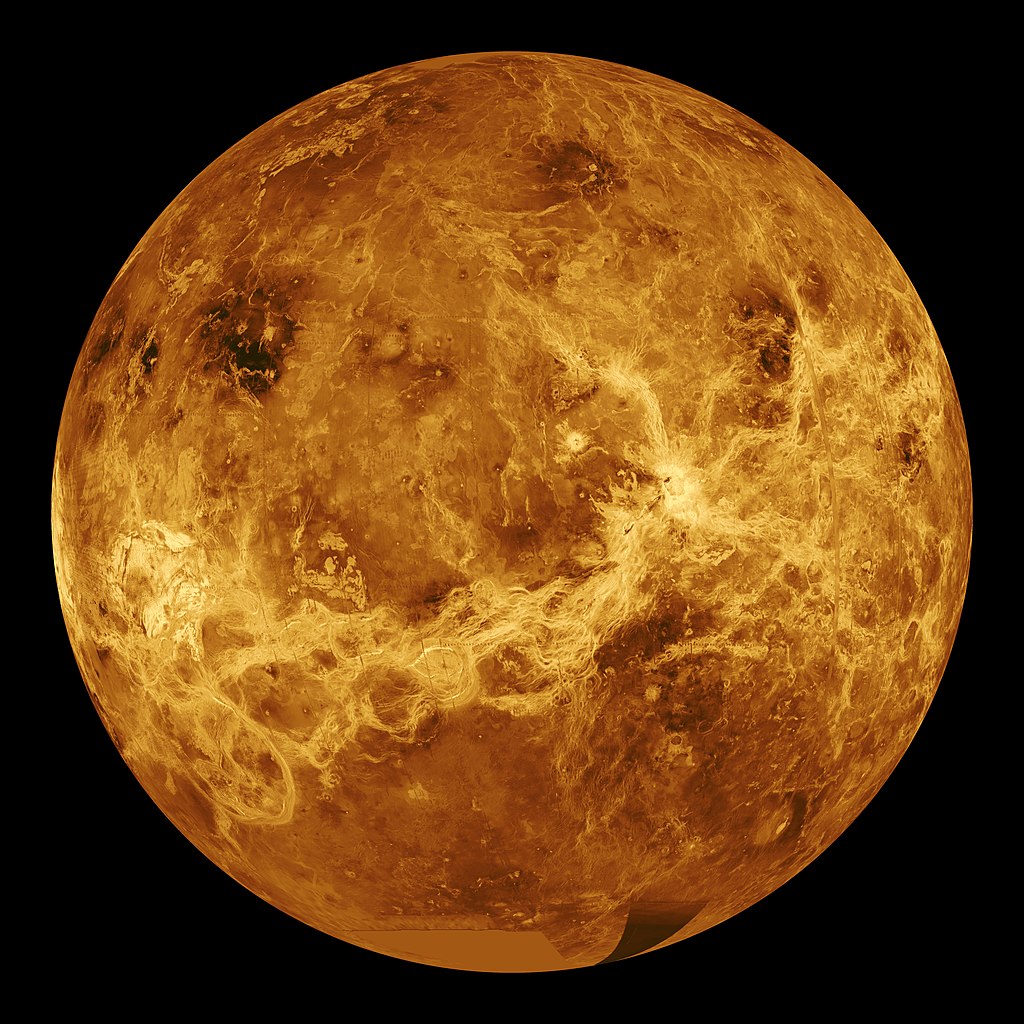 |
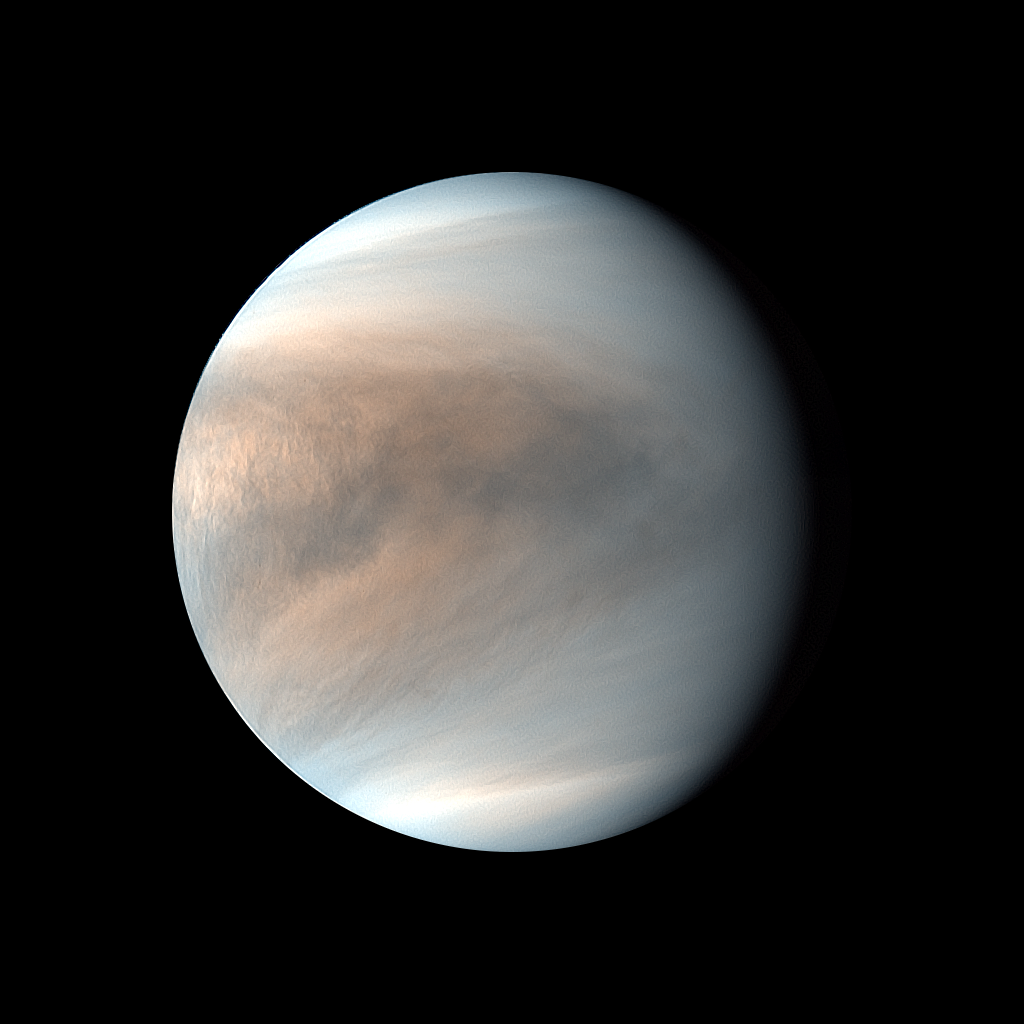
Venus, known as the planet most similar to Earth in design. Although it looks similar, it would be very hard to survive on Venus. The atmosphere of the planet is 96% carbon dioxide. And is the hottest planet in the Solar System. Venus may have a day and night, but the temperature never changes, it is isothermal. |
| The Earth, our home planet. The only planet in our Solar System with life. Since the sun is so hot, it changes our seasons. Depending on which side of the Earth's axis tilts towards the sun becomes what season you are in. Around 71% of the Earth is covered by water. This water has allowed life to be created, and exist on the planet. |
Earth | 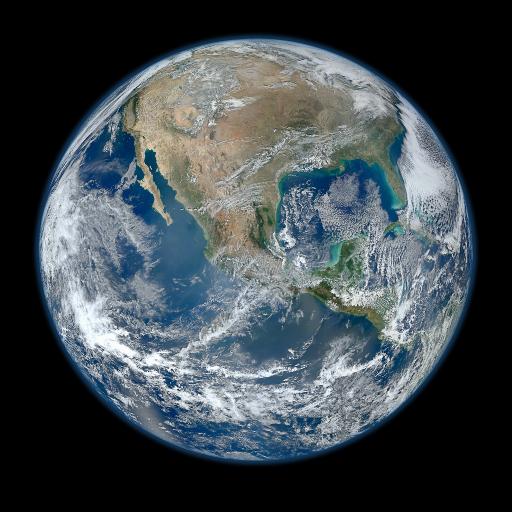 |
 |
Mars, referred to its nickname as the "Red Planet" due to its red coloring. The cause of this coloring is due to the iron-oxide (rust) on the surface. Although efforts to colonize Mars are ongoing, it would be tough to grow anything due to its toxic soil, and no water on the surface. |
Mars |
| Jupiter is the largest planet in our solar system. It is a gas giant, so large that it was visible to ancient civilizations before us. Jupiter has the second most moons out of any planet, totaling 79 moon satellites; only being beaten by Saturn. The four largest moons are called the Galilean moons due to being discovered by Galileo. |
Jupiter | 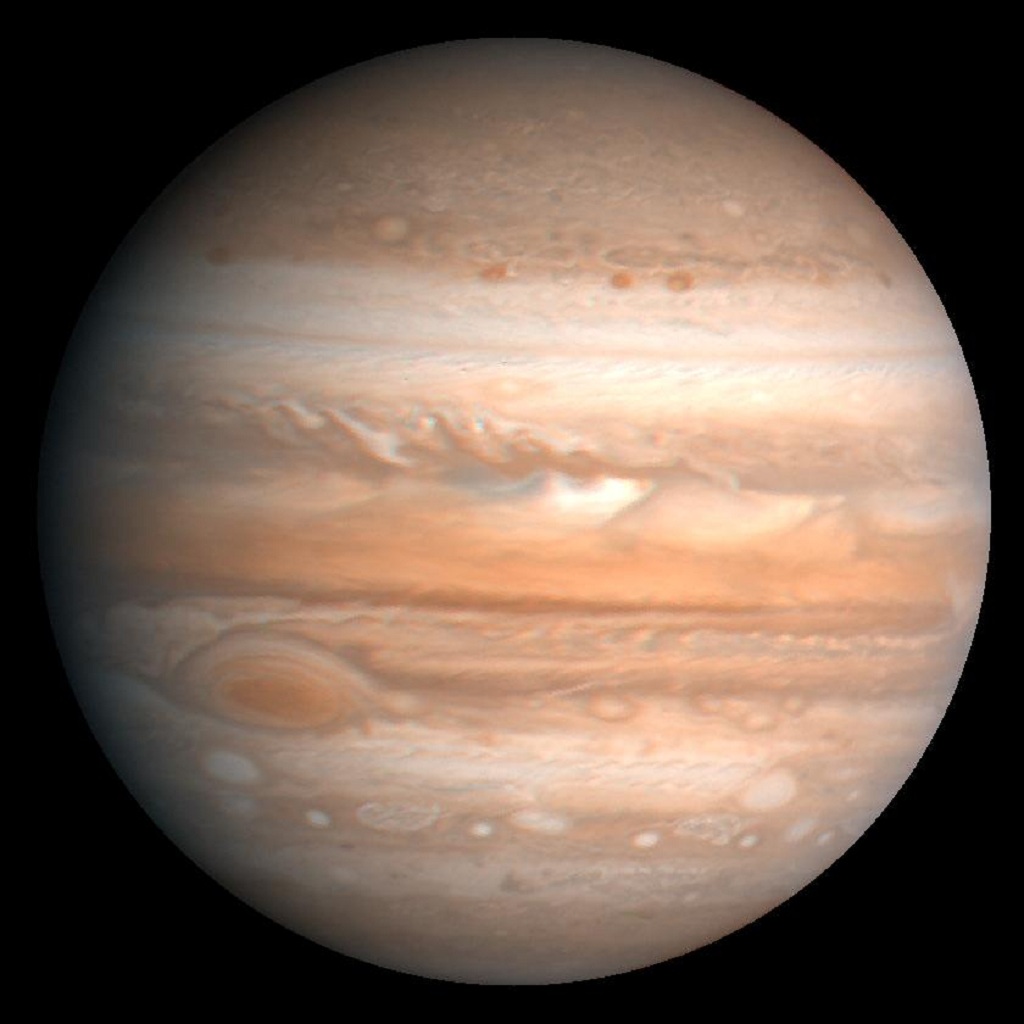 |
| Saturn | 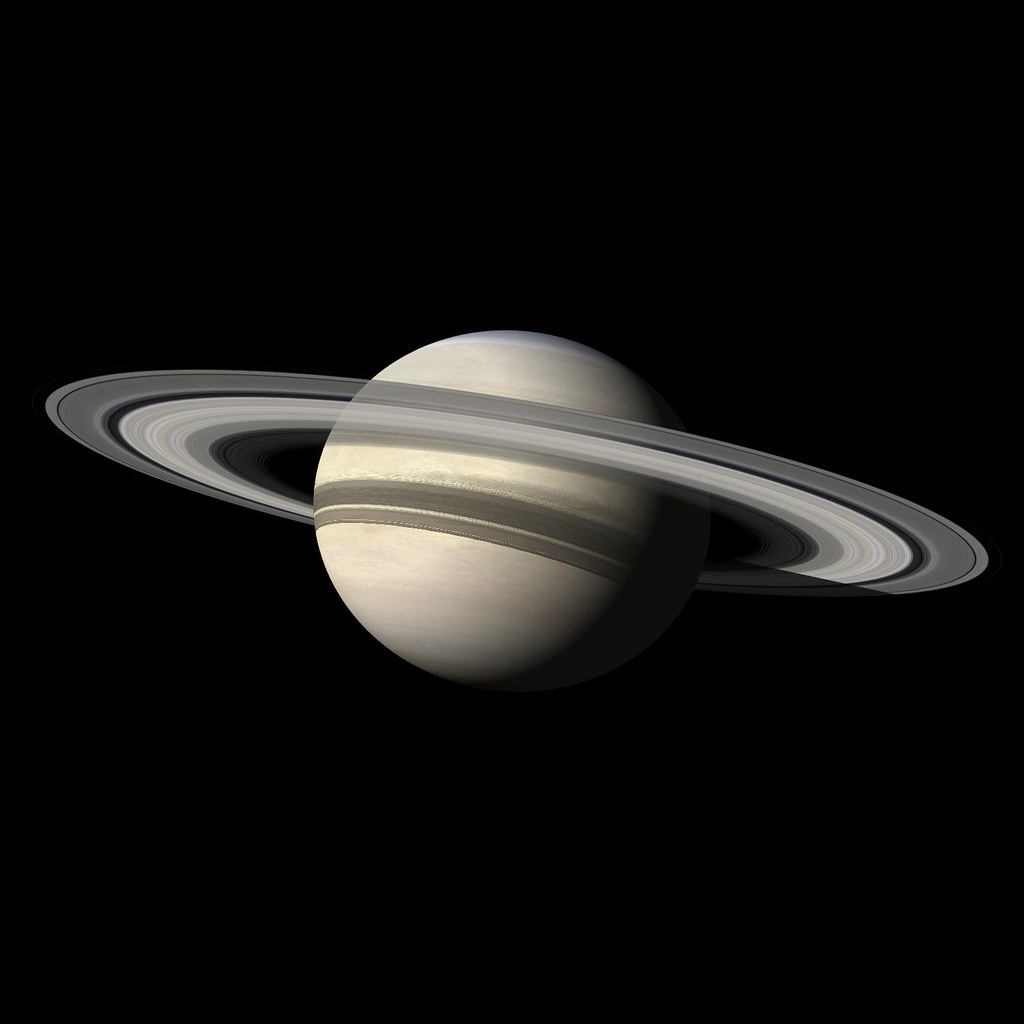 |
Saturn is another gas giant, but known for it's rings. The rings of Saturn are made of object of various sizes. Many more moons have been discovered over the years as they are found in the rings or around the planet, 29 moons have yet to be named. |
 |
Uranus, named after the Greek god Ouranos. Although similar to the gas giants of Jupiter and Saturn, its chemical composition differs. Therefore Uranus, along with Neptune, are called ice giants. In visible light the planet has almost no distinctive features. Uranus has the coldest atmosphere of all. In 2033 Uranus will complete its 3rd orbit since being discovered in 1781 due to its 84 year orbit. |
Uranus |
| Neptune | 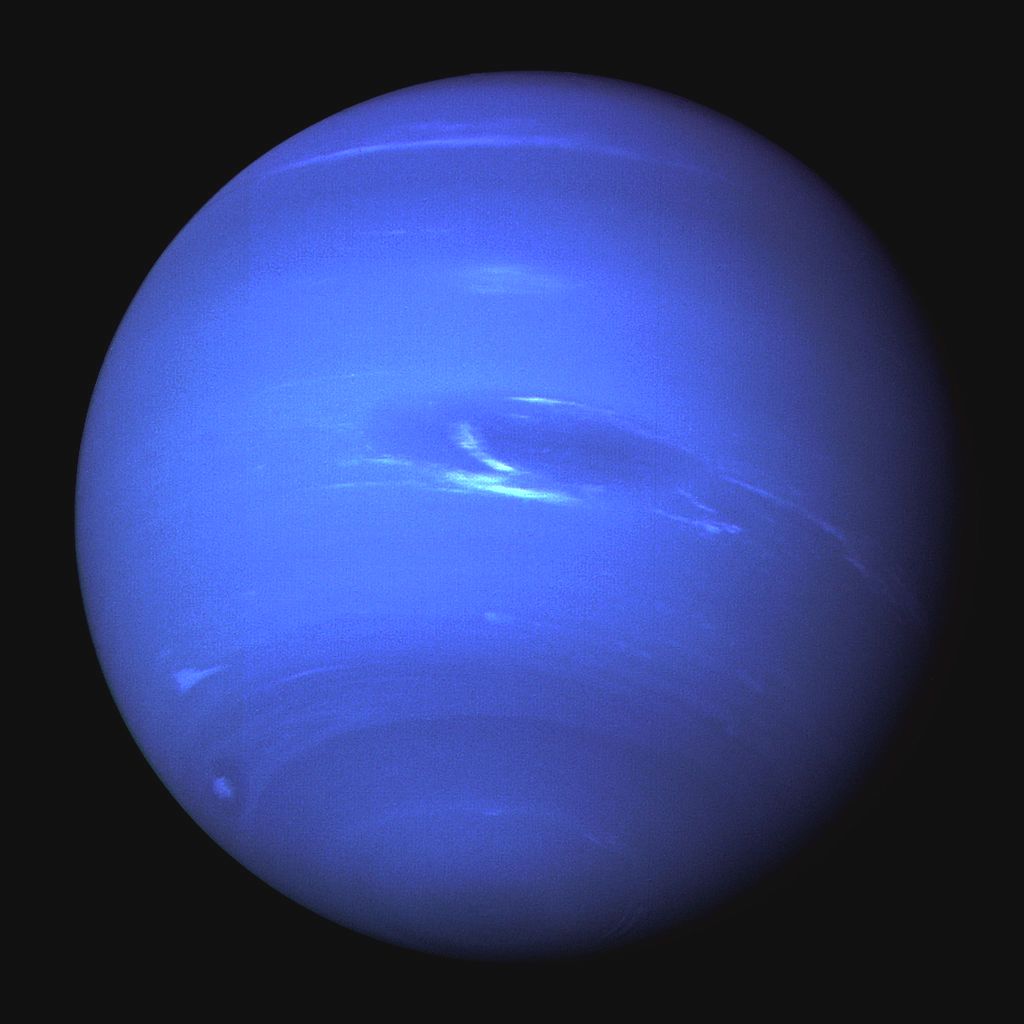 |
Neptune, named after the god of the sea, is a blue planet. It is 17 times larger that that of Earth. The inner mantle of the planet mostly consists of water. The water contains large amounts of ammonia, and is very hot but still in liquid form, sometimes being called icy. This water also has a very high electrica conductivity. Its blue color is caused by methane in the atmosphere. |